
Abandoned fishing gear, maritime traffic, plastic pollution. The negative effects caused by human activities on cetaceans and sea turtles are increasingly evident. It has therefore become urgent to know better the distribution of the most widespread species in order to develop efficacy strategies.
From this premise, in January 2022 the LIFE20 NAT / IT / 001371 CONCEPTU Maris CONservation of CEtaceans and Pelagic sea TUrtles in Med: Managing Actions for their Recovery In Sustainability”, supported by the financial instrument for the environment of the European LIFE Institute, will face for four years several challenges, combining the efforts and skills of important Italian and international research institutions: Ispra – Istituto Superiore per la Protezione e la Ricerca Ambientale, as Coordinating beneficiary , Area Marina Protetta “Capo Carbonara”, CIMA Research Foundation, CMCC Climate, ÉcoOcéan Institut, Stazione Zoologica Anton Dohrn, Triton Research, Università degli Studi di Milano-Bicocca, Università degli Studi di Palermo, Universitat de València – UV, Università degli Studi di Torino.
The project
Introduction
The LIFE Program and Natura 2000 network
The LIFE program is the instrument used by the European Union to support projects for the conservation of nature and the environment, in particular for the protection of biodiversity, the fight against climate change and the transition to clean energy and the circular economy.
LIFE has been operational since 1992 and so far has funded over 5 thousand projects that have promoted action plans and disseminations plans, techniques and innovative approaches, to update and develop the legislation and environmental policies of the European Union.
Over the years, many LIFE projects have concretely contributed to improving the projection of endangered habitats and species, including the brown bear, the monk seal, the wolf and hundreds of birds at risk.
LIFE projects regularly involves Natura 2000 network, an organised system of thousands of sites designed to conserve the European Union’s biodiversity, and in particular to protect habitats (forest, grasslands, rocky environments, wetlands, well-preserved coastilnes) and rare and threatened animal and plant species.
Actions
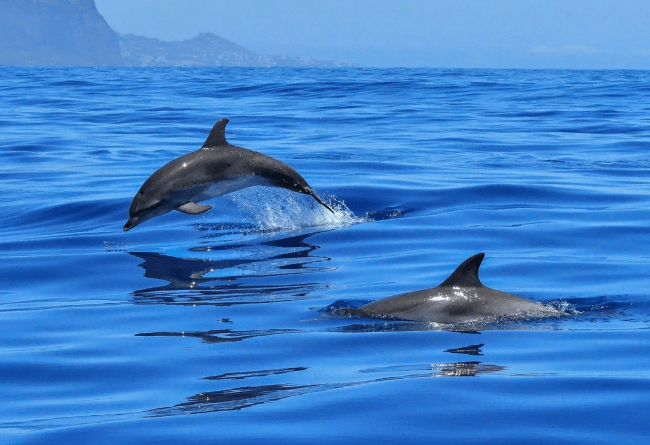
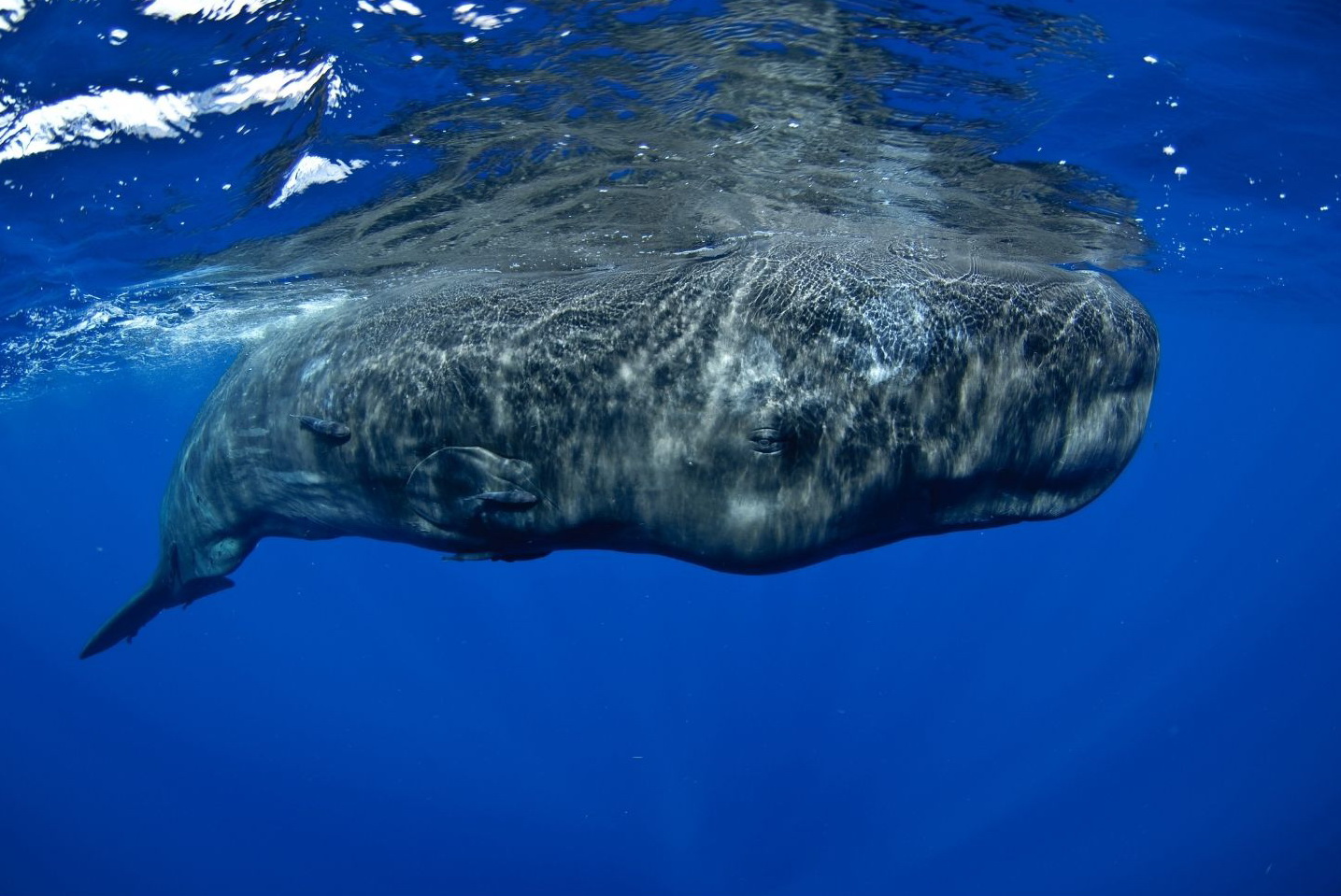
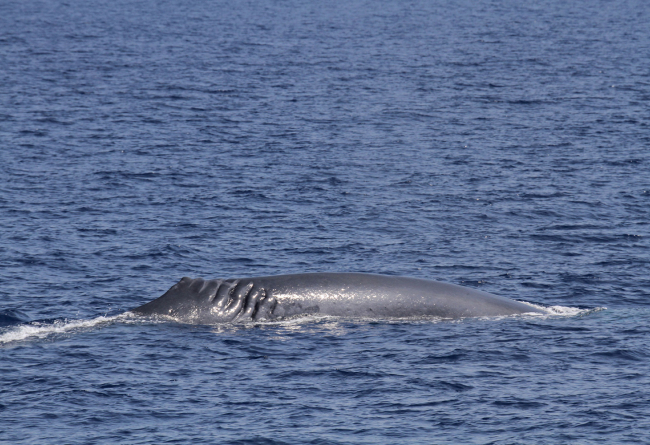
One of the main objectives of the project is to fill the current data scarcity on large cetaceans, fascinating and celebrated animals in the people imagination. In fact, giants such as fin whales and sperm whales also live and reproduce in the Mediterranean Sea. They are animals, that reach 20 meters in length, just like dolphins and sea turtles, the other species involved in the project, spend most of their life in the open sea, in areas that are difficult to monitor due to their huge size.
The new technologies
Until very recently, offshore research on these animals was mainly based on direct observation, conducted thanks to specific campaigns and reports from enthusiasts, including citizen science activities. The Conceptu Maris project is deeply innovative because it also relies on new technologies, which promise a leap forward in knowledge. These include the detection of microscopic traces of DNA dispersed in water by animals (eDNA – environmental DNA) and the use of hull sensors, installed on commercial ferries, to build maps of environmental characteristics that can help to better define the distribution of 8 species of whales and dolphins (fin whale, sperm whale, pilot whale, Cuvier’s beaked whale, Risso’s dolphin, common dolphin, bottlenose dolphin, striped dolphin) and 3 species of turtles (loggerhead, green and leatherback).
More specifically, the following actions are envisaged:
hull sensors, installed on commercial ferries, for the collection of environmental data;
- detection of stable isotopes and microscopic traces of DNA in water (eDNA);
- hull sensors, installed on commercial ferries, for the collection of environmental data;
- citizen science campaigns for shipping companies and shipboard personnel;
- protocols to reduce the risk of collision between fast boats and cetaceans;
- assessment of the concentration of floating plastics and their toxicological effects on cetaceans and turtles.
The threats
As they move across the Mediterranean, one of the busiest marine areas in the world, these species have to contend with a long and growing number of threats. Commercial fishing, in addition to reducing the availability of food for pelagic species, uses nets and lines in the sea in which the animals become entangled and then die of suffocation or serious injuries.
Plastic pollution is another critical element, due to the risk of ingestion and toxicological effects, especially for turtles. The traffic of fast ships, in addition to producing a significant noise disturbance for cetaceans, also represents a concrete threat for the risk of collision, especially during the summer.
The objectives
Once the first data on species distribution and their ecological preferences have been collected, the Conceptu Maris researchers plan to evaluate the impact of the risk factors, identifying the most important sites (“buffer zones”, corridors ecological) for the conservation of endangered species. The enormous amount of information obtained will be used to define future strategies for the conservation of the open sea, in order to protect these charismatic animals.